WordPress plugin
Breadcrumb Premium: Control Which Pages Show a Trail
Breadcrumb Premium builds navigation trails for posts, pages and parent pages, archives, categories, tags, custom taxonomies and post types, author and date views, search pages, and WooCommerce shop and product pages. Use the [breadcrumb] shortcode to place a trail in a supported layout or content area.
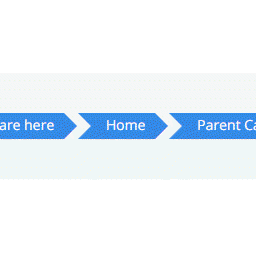
Breadcrumbs across WordPress and WooCommerce
Breadcrumb Premium builds navigation trails for posts, pages and parent pages, archives, categories, tags, custom taxonomies and post types, author and date views, search pages, and WooCommerce shop and product pages. Use the [breadcrumb] shortcode to place a trail in a supported layout or content area.
Placement and visibility by view
Shortcodes let you select where breadcrumb navigation appears. Premium visibility rules can hide trails on the front page, home page, blog, author, search, year, month, date, category, and tag views. You can also hide breadcrumbs by post type or individual post ID, including for custom post types.
Wording and appearance controls
- Add custom prefix text and choose the separator, with an option to hide the final separator.
- Show or hide the “Home” text. Limit link labels by word or character count and set custom ending text.
- Set link font size, container margin and padding, and colors for link text, separators, and the link background.
These settings let you adapt breadcrumb labels and styling to your site while choosing where the navigation is shown.
Developer hooks and translations
Filter and action hooks let developers rewrite or override breadcrumb elements without editing the plugin code. The plugin is translation-ready and includes a default English translation file in its languages directory; you can add another translation if needed.
Setup and review
Install and activate the plugin, then configure the breadcrumb wording, separators, link limits, colors, font size, and container spacing. Choose which WordPress areas should show trails and add the shortcode wherever you need a specific placement. Review the output on relevant archive, post, taxonomy, and WooCommerce pages before applying page-specific visibility rules or styling.