WordPress plugin
WooCommerce Product Recommendations Premium
WooCommerce Product Recommendations Premium lets store owners select recommendation types, define eligible products, and decide where each suggestion appears.
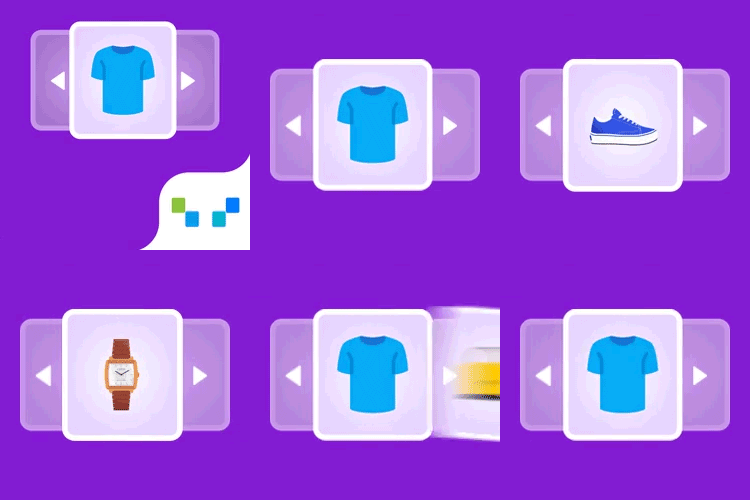
WooCommerce Product Recommendations Premium lets store owners select recommendation types, define eligible products, and decide where each suggestion appears.
Templates and campaign rules
Start with a template for related products, recently viewed products, bestsellers, top-rated products, frequently bought together, new arrivals, or Trending Now products from the past 30 days. Custom recommendations let you set your own rules and conditions, with filters to refine the products shown.
Upsells present alternatives on product pages. Cross-sells suggest complementary products, such as a phone case alongside a phone. Related product recommendations connect entries shoppers may want to explore together.
Product selections and exclusions
For related products, choose by category, subcategory, tags, attributes, or specific products. Apply category or tag selections store-wide, or assign related products to individual items. Exclude selected categories and out-of-stock products from recommendations. Sorting options include rating, price, and popularity.
Store pages and widget display
Place recommendations on product, category, shop, cart, checkout, and order received pages. Customize widget headings, product order, and the number of items shown. Related products can display in a slider, and the related products widget works with block-based themes.
Use [wt-related-products product_id="xx"] to display related products on posts or pages. You can also remove the theme's default related products section when using a custom layout.
Imports and translated products
Related products can be imported with the default WooCommerce importer. When using WPML, the same related product set can appear on translated product versions. Compatibility is also listed for Product Import Export for WooCommerce and WP All Import Export for WooCommerce.
Setup
Install and activate the plugin on your WordPress website, then open its settings. Choose a template or make a custom campaign, configure product selections and exclusions, and set placements and display options. Review the recommendations on the relevant store pages.